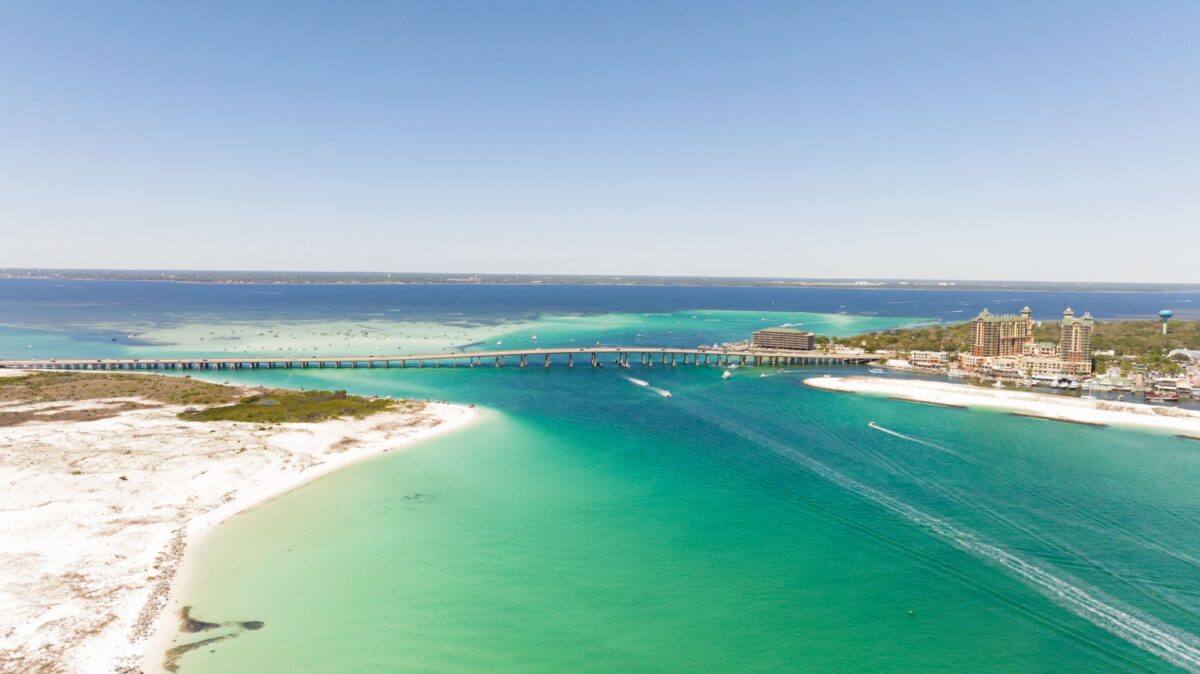
If you’ve ever planned a beach vacation in Florida, you probably had to decide between two coasts: Gulf or Atlantic. But if you dig a little deeper, you’ll find that there are many more specific coasts—about a dozen, depending on who you ask.
As a Florida native, I was even surprised to learn about some of these regions. While these coasts are not officially recognized by the state’s government (most were created to boost tourism or real estate development), they can help visitors better understand regional differences in areas and help them make more informed choices about where to go. Here’s a closer look at the most common ones:
Atlantic
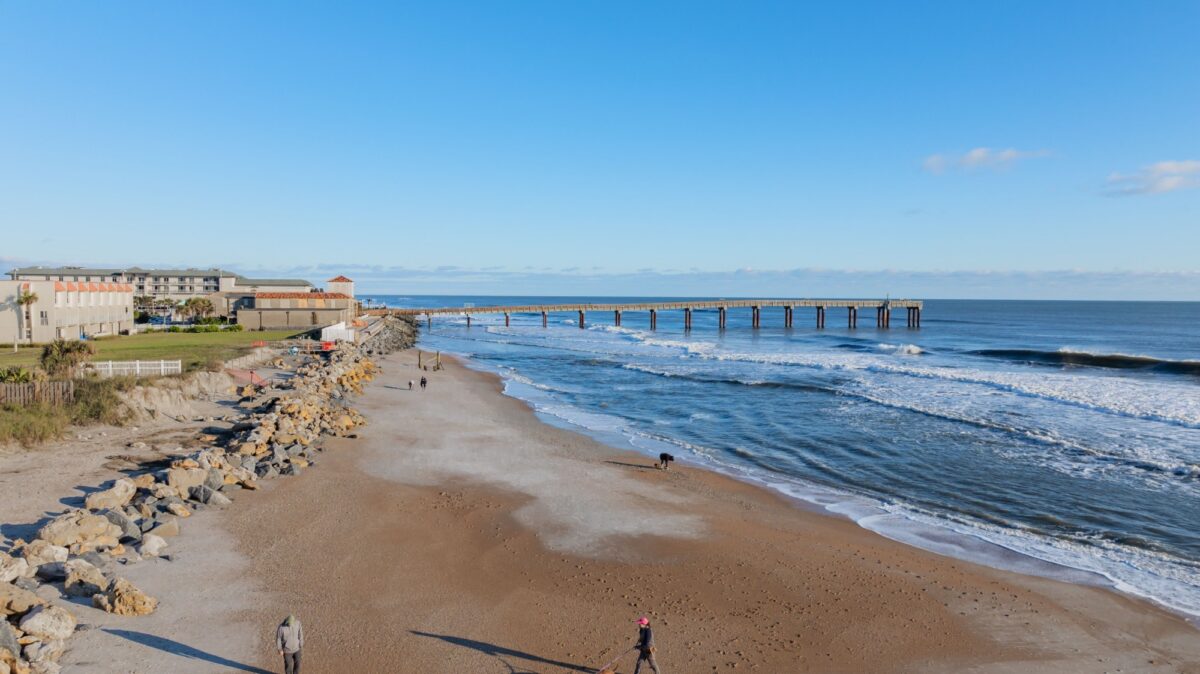
First Coast
Location: Northeast corner of Florida; includes Jacksonville, St. Augustine, Palatka, Fernandina Beach, Amelia Island, Ponte Vedra Beach
How it got its name: This coast is full of historical significance, namely St. Augustine, the first site of European contact and settlement in the continental United States. Native Americans lived here long before Juan Ponce de Leon landed on the coast in 1513 during his search for the Fountain of Youth. It’s also the entry point into Florida from Interstate 95.
Fun Coast
Location: Daytona Beach, New Smyrna Beach and Ormond Beach
How it got its name: Also called the Surf Coast, this area has some of the best waves in the state and a long-standing surfing culture. There’s also lots of fun to be had at Daytona International Speedway, Daytona’s boardwalk and other family-friendly attractions.
Space Coast
Location: About 45 minutes east of Orlando; includes Cape Canaveral, Melbourne and Melbourne Beach, Titusville, Cocoa and Cocoa Beach, Satellite Beach
How it got its name: Home to the Kennedy Space Center, Cape Canaveral Space Force Station, Air Force Space and Missile Museum, and numerous rocket launches. (Even the area code is 321.)
Treasure Coast
Location: Upper Southeast coast; includes Vero Beach, Stuart, Port St. Lucie, Fort Pierce, Jensen Beach
How it got its name: In the early 1700s, a fleet of Spanish ships carrying gold, jewels, and other precious items wrecked off of the coast. The sunken treasure was discovered in the 1960s and 70s.
Gold Coast
Location: Lower Southeast coast; includes West Palm Beach, Palm Beach, Boca Raton, Hollywood Fort Lauderdale, Miami
How it got its name: This heavily developed area is known for its luxurious beachfront hotels and homes and its wealthy residents, who often come down from the north in the winter.
Gulf
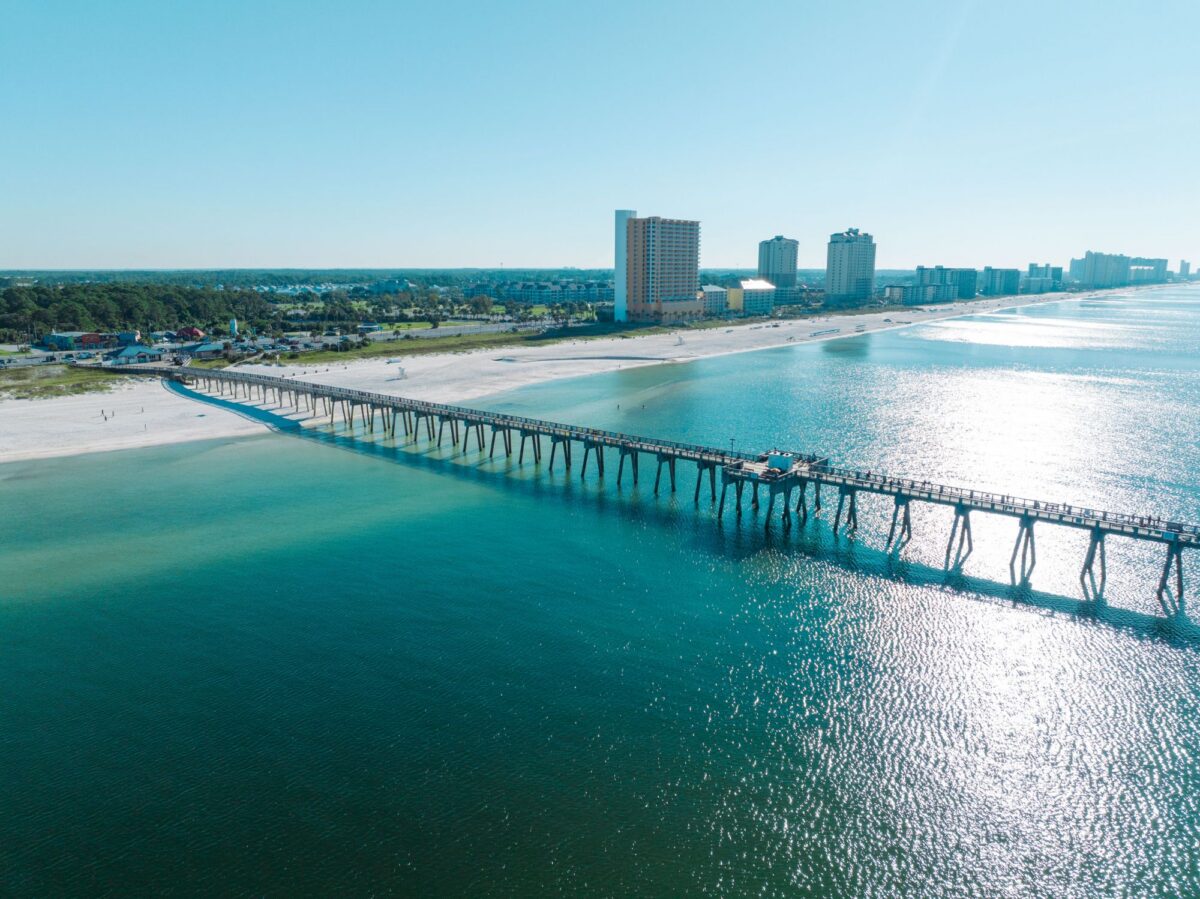
Emerald
Location: Upper Panhandle; includes Destin, Panama City Beach, Fort Walton Beach
How it got its name: The coast’s striking green-blue water
Forgotten
Location: Lower part of Panhandle; includes Apalachicola, Port St. Joe, Mexico Beach, East Point, St. George Island
How it got its name: The area is less developed, with wild nature and uncrowded beaches
Nature
Location: Below the Panhandle down to Tampa Bay; includes New Port Richey, Cedar Key, Homosassa, Crystal River
How it got its name: Instead of beaches, the area is known for its rivers, forests, springs, and one of the largest coastal marsh systems left in the country.
Cultural
Location: The middle of the Gulf Coast; includes Sarasota, Bradenton, Englewood, Siesta Key, Anna Maria Island
How it got its name: A high concentration of cultural institutions—museums, theatres, galleries, and performing arts spaces.
Paradise
Location: Southwest; includes Naples, Marco Island, the Everglades
How it got its name: According to historians, the two founders of the city of Naples, Kentucky Senator John Stuart Williams and Louisville newspaper publisher Walter N. Haldeman, thought the area looked like paradise when they first saw it.