
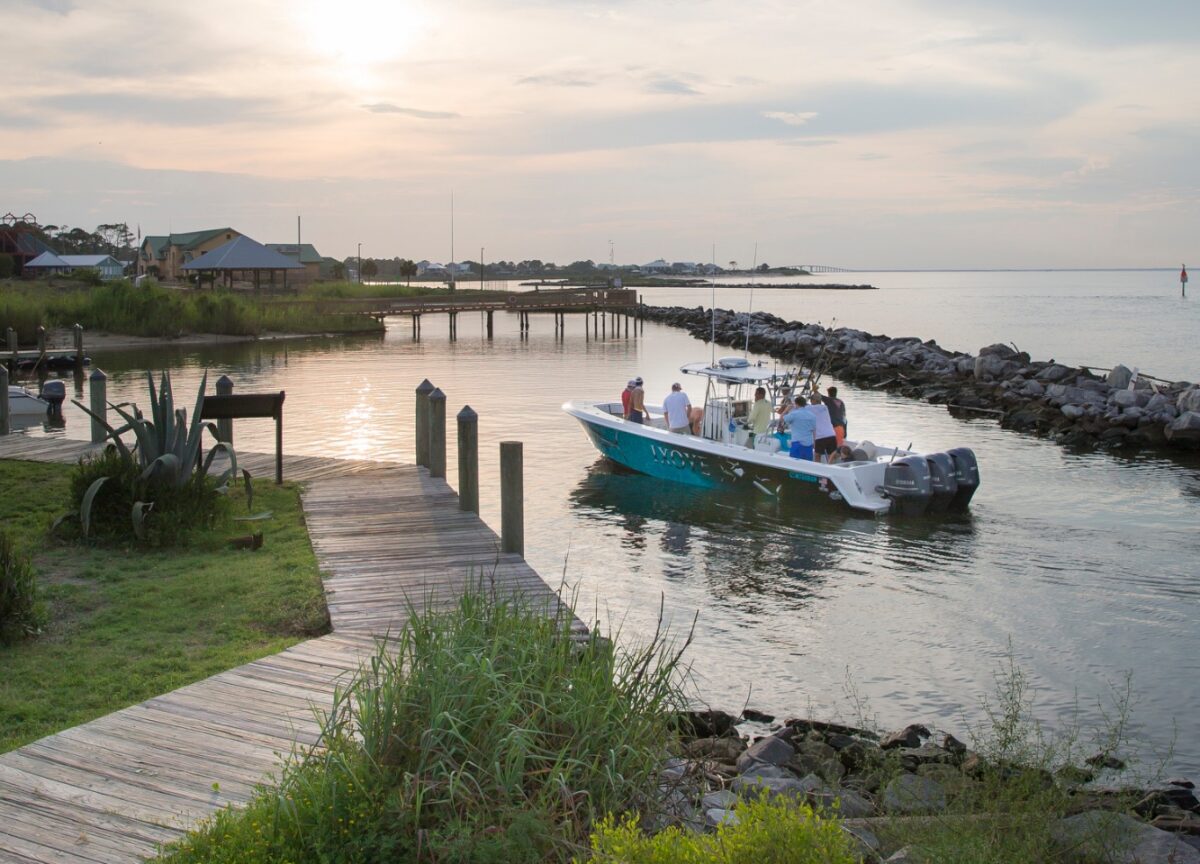
After Labor Day, the Gulf Coast reveals its calmer side. Temperatures turn pleasant, hotel rates and traffic ease and the water stays warm enough for swimming well into fall. For travelers who prize uncrowded sand and unhurried mornings over spring-break energy, this is the stretch of the calendar that rewards showing up.
Red snapper season runs until the end of December along Alabama’s Gulf Coast, and in the fall, birding picks up along the migration corridor. Here are four Gulf Coast beach towns organized around the natural assets that define them — take advantage of this fleeting season while it lasts and book a weekend getaway.
Dunedin, Florida: a barrier-island gateway
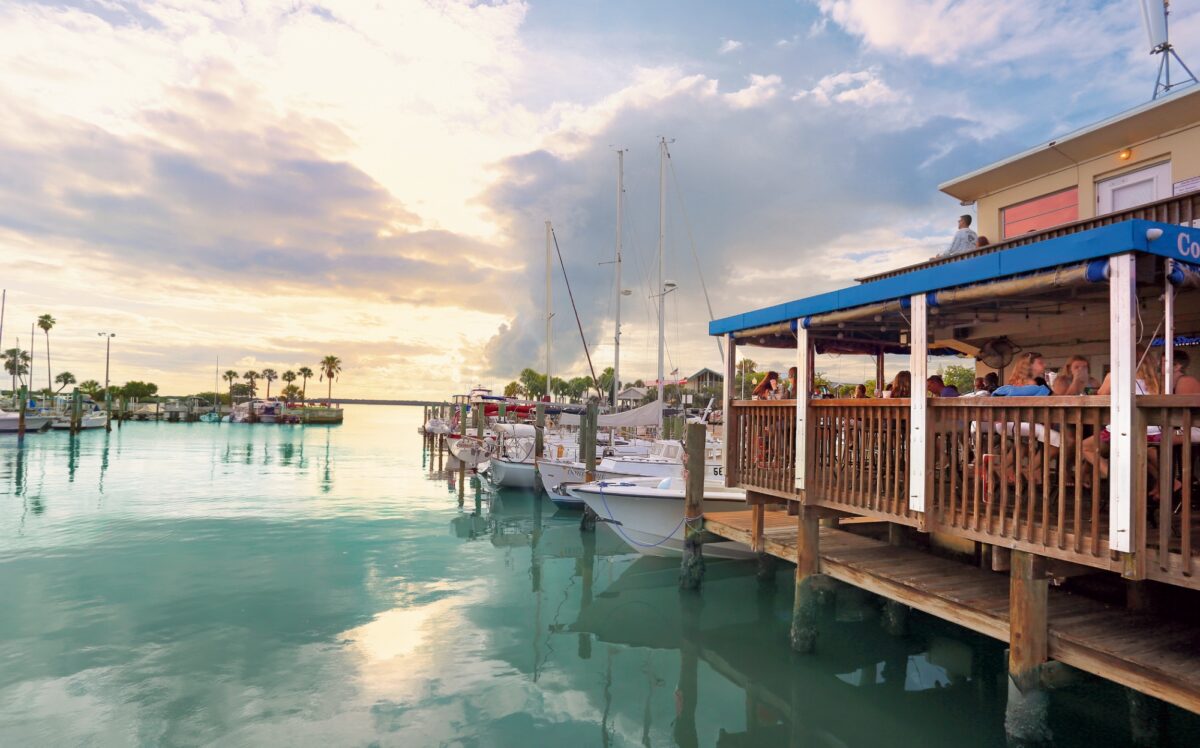
About 40 minutes west of Tampa, Dunedin trades resort gloss for a walkable downtown of seafood shacks, coffee shops and taprooms, including Dunedin Brewery, the oldest continually operating microbrewery in the state. The 54-mile Pinellas Trail — a path from St. Petersburg to Tarpon Springs — runs through the heart of town, giving cyclists a long, flat ride with rest areas and beautiful scenery along the way.
The real draw sits just offshore. Honeymoon Island State Park has four miles of pristine, shell-strewn beach, with dog-friendly sections and a nature trail that make it a strong pick for bird-watching and swimming. From there, a short ferry crosses to Caladesi Island State Park, regularly named to national best-beach lists for its untouched shores and mangrove forests. Because Caladesi is only accessible by boat, it stays blissfully uncrowded.
Apalachicola, Florida: shopping and seafood
This historic port on Florida’s Panhandle is known for its fresh seafood, especially oysters, which are now in season and available at oyster bars and restaurants throughout town. If you also want to sample shrimp, fish, crab and everything else that’s fresh from the docks, the state’s annual seafood festival, now in its 63rd year, will be held in Apalachicola November 6 and 7. When you’ve had your fill, spend a day browsing mom-and-pop shops, antique stores and galleries in the city’s charming downtown, which is within easy walking distance of the waterfront.
Dauphin Island, Alabama: a sanctuary for birders
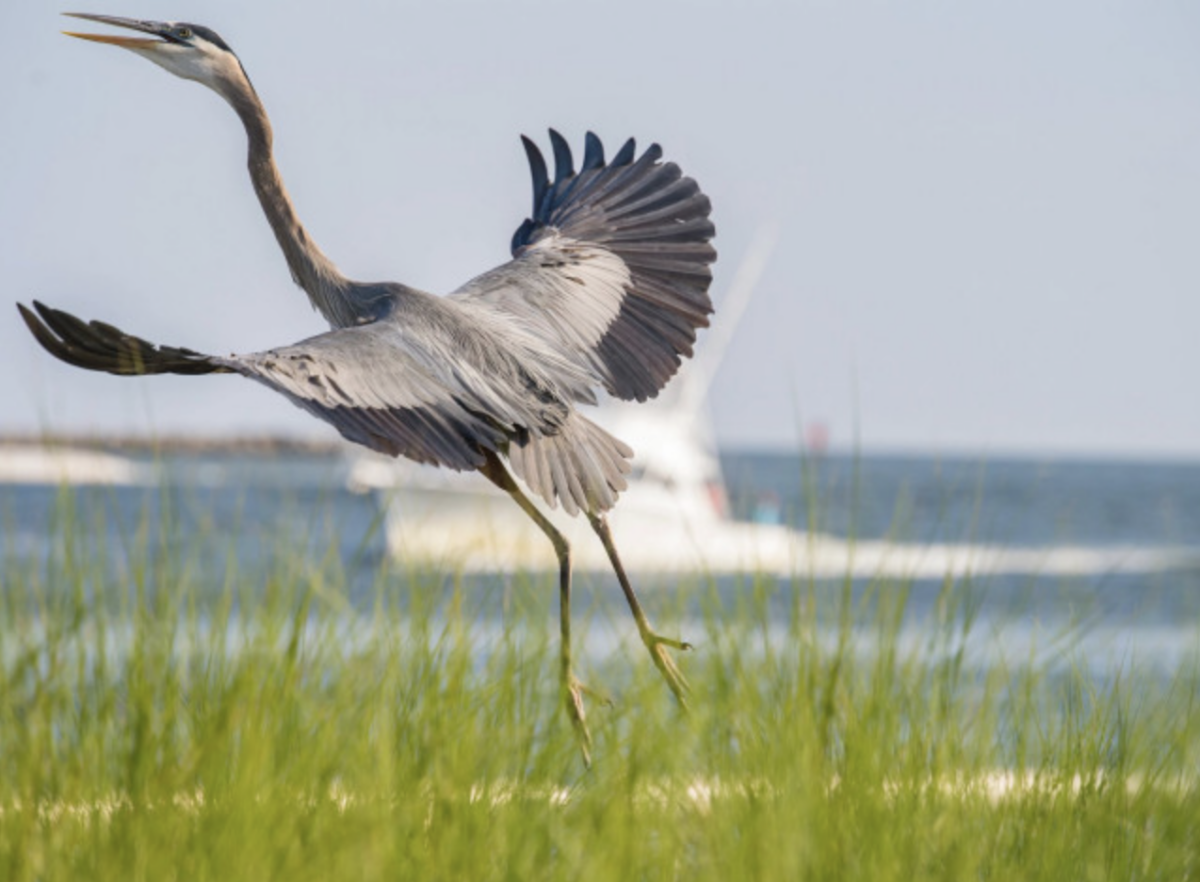
This Alabama barrier island suits travelers who measure a good day by what they spotted in their binoculars. Lodging leans toward vacation rentals, which keeps the pace slow. Nature lovers will enjoy the 164-acre Audubon Bird Sanctuary, which is home to herons, egrets and other species. The Alabama Aquarium and Dauphin Island Sea Lab runs guided excursions through nearby salt marshes, the waters of Mobile Bay and the island’s maritime forests — a good primer on the ecosystems you’re walking through. On the island’s eastern tip, tour Fort Gaines, which dates to 1821 and played an important role in the Civil War’s Battle of Mobile Bay.
Fort Morgan, Alabama: refuge on 7,000 acres
Travelers who want fewer neighbors on the sand should drive west of the Gulf Shores crowds to Fort Morgan, named for a historic fort dating to 1834. The crown jewel here is the Bon Secour National Wildlife Refuge: 7,000 acres of protected beachfront and woodlands that shelter endangered sea turtles, the Alabama sea mouse and a plethora of birds. Anglers can fish right from the beach or book a charter into the Gulf or Mobile Bay for pompano, redfish or whatever is in season. The Mobile Bay Ferry runs a 40-minute ride across to Dauphin Island, making it easy to combine the two in one trip without doubling back by car.
Pass Christian, Mississippi: sunsets and a round of golf
Mississippi’s Secret Coast runs 62 miles, and Pass Christian (also known as “The Pass”) is one of its quietest stops. Surrounded by water on three sides, the tiny town delivers knockout sunset views and a pace built for travelers who treat “when to walk down to the water” as the day’s biggest decision. Golfers can tee off at Pass Christian Isles Golf Club right off Bay St. Louis. Built in 1914, it’s one of the oldest courses on the coast, and one of the best looking, with its old-growth trees and water views.