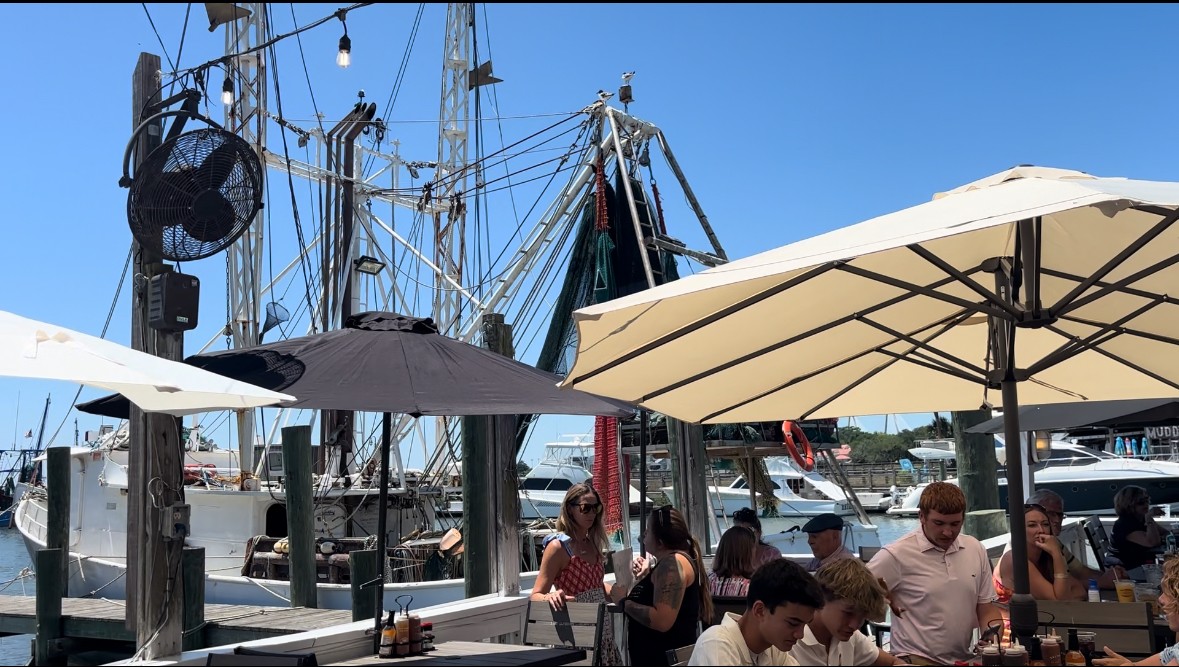
Ordering a basket of fried shrimp and wondering where those crustaceans came from? Now it’s a lot easier to find out.
Under South Carolina’s Truth in Shrimp Labeling Act, which took effect October 28, restaurants and other food service establishments that serve imported shrimp must say so on their menus and on signage at their entrance.
And the law has teeth. Repeat violators may pay fines of $100 up to $5,000 a day until they’re in compliance.
The law follows last year’s “shrimpgate,” a lawsuit filed by the South Carolina Shrimpers Association (SCSA) that accused more than 40 restaurants of selling imported shrimp while labeling it as locally caught. When the Southern Shrimp Alliance and SeaD Consulting tested the origin of shrimp served at 44 local restaurants in the Charleston area, just 9 percent were serving domestic wild-caught shrimp. Many of the rest were serving imports and marketing that shrimp as local, setting off a short-lived legal battle between Lowcountry-area restaurants and South Carolina shrimpers.
Charleston wasn’t alone. The SCSA has run tests in other cities and states with similar results. In the Myrtle Beach area, only a quarter of 44 restaurants were using domestic wild-caught shrimp. But more than half of those serving imported shrimp claimed that their shrimp were domestic and wild-caught.
The origin of your seafood affects more than what’s in your shrimp basket. Shrimp ranks as South Carolina’s most valuable commercial fishery, and the seafood industry contributes more than $117 million annually to the state’s economy and provides more than 2,000 jobs, according to 2024 data from the National Oceanic and Atmospheric Administration.
Food also plays a big role in attracting visitors to the state’s coastal regions, who expect and want to eat local. The alliance says that research shows that 27 percent of shrimp consumption in the United States occurs while visiting a coastal community. And restaurants continue to rank as a top draw for Charleston, just recently ranked the No. 2 best foodie city in the U.S. by Yelp and Lyft.
So where can you find the real thing? The Southern Shrimp Alliance maintains a list of searchable restaurants serving wild-caught domestic shrimp that have been confirmed by independent genetic testing. The list is not comprehensive, as testing is based on a single dish and some restaurants may serve both domestic and imported shrimp. South Carolina restaurants on the list include:
Charleston area
- Rappahannock Oyster Bar
- Grace & Grit
- Acme Lowcountry Kitchen
- Amen Street Fish & Raw Bar
Myrtle Beach area
- Flying Fish Public Market & Grill
- Chesapeake House (Steaks, Spirits & Seafood)
- Cape Fear Seafood Company
- Crab Catchers
- Drunken Jack’s
- Flynn’s Irish Tavern
- Tupelo Honey Southern Kitchen & Bar
- River City Cafe
- LuLu’s North Myrtle Beach
- Groupers at the Pier
- Graham’s Landing