

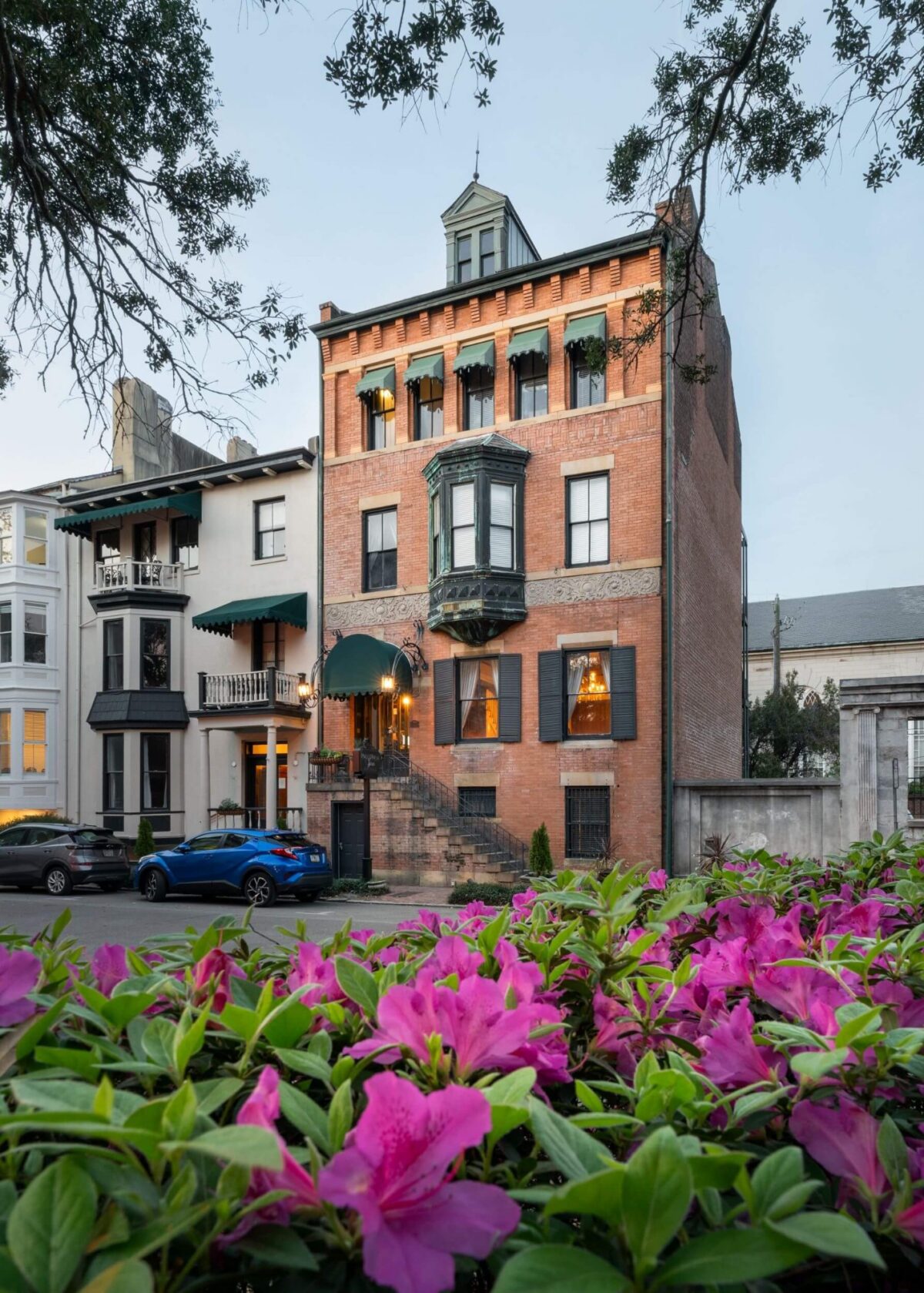
Savannah, Georgia is often said to be one of the most haunted cities in America. And with 71 ghost tours at the ready, there’s no shortage of haunts to share. But of them all, there’s one stop that turns up again and again: the Foley House Inn, in Savannah’s historic district.
For Edgar Allan Poe fans, this historic inn has a particularly eerie draw. While Poe never wrote about Savannah, and there is no evidence that any of his stories were inspired by the city, the legend surrounding this bed-and-breakfast sounds like it could have come straight from his Gothic tales — starting with a body sealed inside a wall.
The history of the Foley House Inn
Long before it was an inn, the Foley House was a private family residence. Owen Foley, a grocer from County Leitrim, and his wife, Honoria, from County Kerry, were Irish immigrants who put down roots in Savannah. Owen had a knack for investing and owned properties throughout the city. But in 1855, just four years after the couple married, he died, leaving Honoria with two young children and an estate that wouldn’t be settled until 1873, according to the Savannah Biographies.
Honoria eventually turned the property into one of Savannah’s early bed-and-breakfasts. Then, in 1889, the Great Savannah Fire destroyed the original house. Seven years later, Honoria rebuilt on the same site, combining two townhouses to form the brick building that still stands today.
As the legend goes
According to local legend, a man boarding at the Foley House Inn became infatuated with Honoria, despite her repeated rejections.
One night, he snuck into her bedroom while she slept. Startled awake, Honoria grabbed a candlestick, the heaviest object on her nightstand, and struck him, killing him.
Fearing what would come next, she allegedly turned to a friend, a carpenter, who helped her hide the body inside one of the walls of the inn.
Poe fans know this scene all too well — a victim bricked into a wall in “The Cask of Amontillado,” a wife (and cat!) sealed behind cellar plaster in “The Black Cat” and a madman undone by the body he buried under the floorboards in “The Tell-Tale Heart.”
It’s a connection any Poe fan would love.
The skeleton in the wall
But the secret didn’t stay hidden forever. During a renovation in 1987, construction workers reportedly tore down a wall and discovered human skeletal remains sealed behind it. The remains were never identified, leaving the legend’s biggest question unanswered: Was it the body of Honoria’s alleged suitor?
In another telling, the man was a wealthy boarder who vanished in the late 1800s and was murdered for his money.
Whoever he was, the inn’s staff came to call him Wally. For years, guests have told stories about the man in a top hat said to stroll the courtyard and garden at night. Though the inn’s current website no longer mentions him, some Tripadvisor reviewers still report hearing glasses clink in the middle of the night. Others say their dogs refused to be left alone in the room, and a few claim Wally himself paid a visit.
Though Wally may not be the only resident spirit. A former innkeeper told Lodging Magazine that staff often blamed Honoria herself when things broke in empty rooms, and one ghost tour company even suggests booking Room 113, which it says is haunted by an opera singer.
See it for yourself
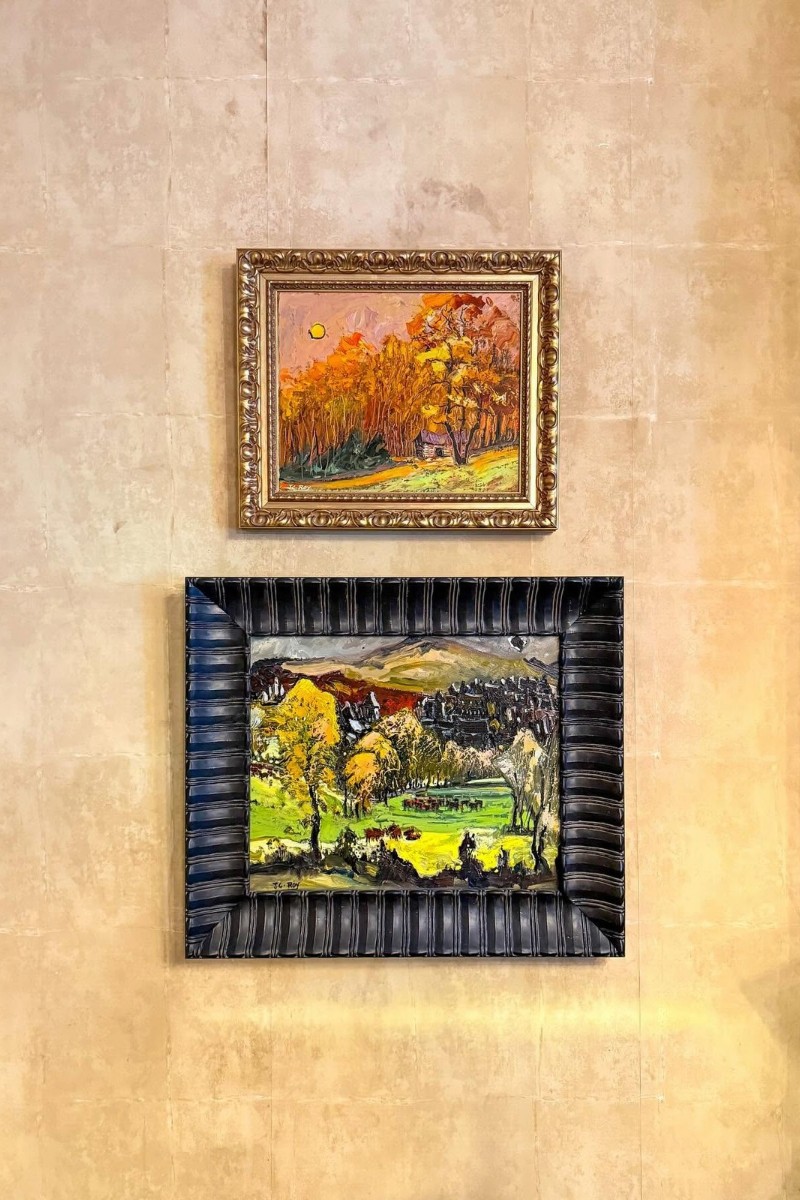
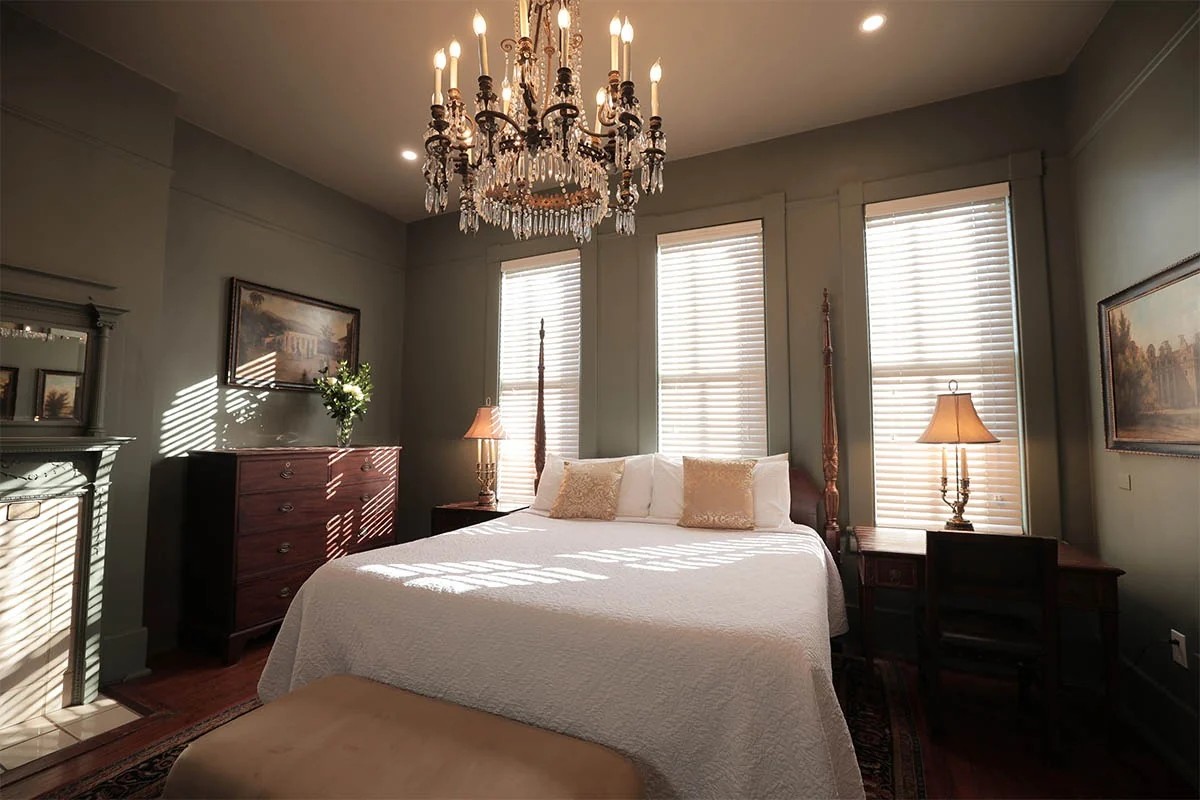
Today, the Foley House is a 19-room inn overlooking Chippewa Square, the park made famous by “Forrest Gump.” The inn’s Victorian-meets-Southern style shows in its antique furniture and original artwork, and some rooms come with oversized bathrooms and jacuzzis or private balconies with views of the courtyard. Plus, guests get daily breakfast, a garden to unwind in and can even bring their pets.
You don’t have to book a room to decide whether or not you believe the legend. Several walking tours stop in the square, such as Ghost City Tours’ adults-only Dead of Night tour, which claims they tell the full Foley House Inn tale, “research and all.”